Author: BhaktiParv.com
Krishna Janmashtami 2026 will be celebrated on Friday, 4 September 2026, across India and by Hindu communities worldwide. This sacred festival marks the divine appearance of Lord Krishna, the eighth avatar of Lord Vishnu, who was born at midnight in Mathura to restore dharma and guide humanity with wisdom, devotion, and righteousness. Falling on the Ashtami Tithi of the Krishna Paksha in the month of Bhadrapada, Krishna Janmashtami 2026 carries deep spiritual meaning and cultural vibrance, making it one of the most revered Hindu festivals of the year.
Table of Contents
- The Spiritual Essence of the Sacred Festival
- Ancient Origins and Scriptural Foundations
- Divine Birth and Its Eternal Message
- Religious Importance in Hindu Tradition
- Astrological Significance and Tithi Details
- Sacred Rituals and Traditional Observances
- Importance of Midnight Puja and Nishita Kaal
- Fasting Practices and Holy Offerings
- Regional Celebrations Across India
- Temple and Home-Based Celebrations
- Cultural Impact and Devotional Expressions
- Teachings of Lord Krishna in Modern Times
- Reasons Behind the Festival’s Lasting Importance
- Observing the Celebration with Purity and Devotion
- Final Thoughts
- Key Facts About the Festival
Spiritual Essence of Krishna Janmashtami 2026
Krishna Janmashtami 2026 is not merely a celebration of a divine birth; it is a spiritual reminder of eternal truth. Lord Krishna’s life represents the balance between worldly responsibilities and spiritual awareness. His teachings emphasize love, selfless action, faith, and surrender to divine will. Celebrating Krishna Janmashtami 2026 allows devotees to reconnect with these values and bring harmony into daily life.
The festival symbolizes hope, reminding humanity that whenever darkness and injustice rise, divine guidance appears to restore balance.
Historical Background and Scriptural Roots
The origins of Krishna Janmashtami are deeply rooted in ancient Hindu scriptures such as the Bhagavata Purana, Harivamsa, and Mahabharata. These texts narrate the circumstances of Krishna’s birth during the oppressive reign of King Kansa. Prophecies foretold that Devaki’s eighth son would end Kansa’s tyranny.
Despite imprisonment and danger, divine intervention ensured Krishna’s safe birth and transfer to Gokul. Krishna Janmashtami 2026 continues to honor this miraculous event described in sacred literature for thousands of years.
Birth of Lord Krishna and Its Timeless Message
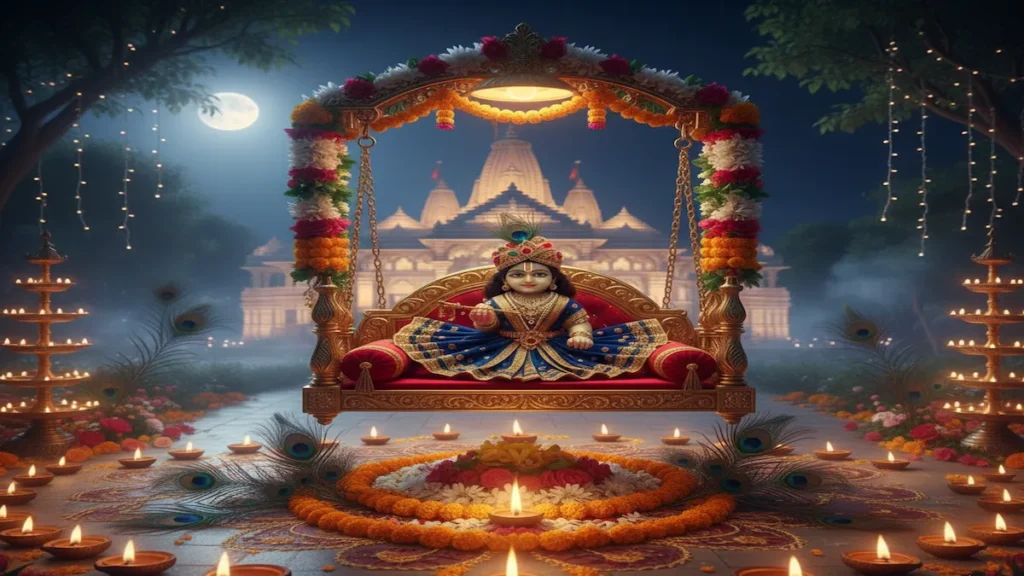
Lord Krishna was born at midnight inside a prison cell, representing the victory of divine light over darkness and injustice. His birth teaches that spiritual awakening is possible even during the most difficult phases of life. This sacred occasion inspires devotees to rise above fear, ego, and attachment by walking the path of righteousness shown by Lord Krishna.
His childhood leelas, youthful grace, and deep spiritual wisdom together form a complete philosophy that continues to guide humanity across generations.
Religious Importance of the Festival
The celebration holds immense religious value as it marks the divine descent of Vishnu to protect dharma and restore balance in the world. Devotees believe that sincere worship on this sacred day removes negativity, brings inner peace, and attracts divine grace.
Throughout the day, temples remain filled with devotion through bhajans, kirtans, and the recitation of holy scriptures related to Krishna’s life. The spiritual atmosphere uplifts the mind and soul of every devotee.
Astrological Importance and Tithi Details
The festival is observed on the Ashtami Tithi of Krishna Paksha in the month of Bhadrapada. When this tithi aligns with Rohini Nakshatra, the spiritual energy of the occasion is considered especially powerful.
Astrologically, this rare combination is regarded as highly auspicious, making it an ideal time for meditation, mantra chanting, and devotional practices.
Rituals and Traditions Observed on Janmashtami
Devotees across India follow traditional customs that reflect devotion and purity, including:
- Early morning cleansing rituals and temple visits
- Decorating homes and shrines with flowers and lights
- Singing devotional songs in praise of Krishna
- Performing Abhishekam of baby Krishna idols
- Listening to or reading Krishna Katha
These practices help create a sacred environment filled with positive spiritual energy.
Midnight Puja and Nishita Kaal Worship
Midnight is the most spiritually significant moment of the celebration. This period, known as Nishita Kaal, marks the divine birth time of Lord Krishna. Devotees gather to perform special aartis while chanting holy mantras with deep devotion.
The baby Krishna idol is ceremonially bathed, dressed, and placed in a cradle, symbolizing the welcoming of divine consciousness into one’s heart and home.
Fasting Rules and Sacred Offerings
Observing a fast on this day is considered highly meritorious. Some devotees observe a strict Nirjala fast, while others consume fruits and milk-based foods as part of their vrat.
Sacred offerings commonly include:
- Makhan and mishri
- Panchamrit
- Seasonal fruits and sweets
- Tulsi leaves
The fast is traditionally broken after midnight worship, which is believed to bring spiritual fulfillment and divine blessings.
Regional Celebrations Across India
The festival is celebrated in diverse ways across different regions of India:
- Mathura and Vrindavan host grand processions and Ras Leela performances
- Maharashtra is known for vibrant Dahi Handi celebrations
- Gujarat observes devotional garba and temple rituals
- South Indian homes decorate symbolic footsteps of Krishna to mark his arrival
Each region adds its own cultural beauty while preserving the festival’s spiritual essence.
Celebrations in Temples and Homes
Major temples organize elaborate programs with continuous chanting, discourses, and devotional music. Homes are cleaned and decorated to welcome divine presence. Children often dress as Krishna and Radha, spreading joy and devotion within families.
These celebrations strengthen emotional bonds and encourage shared spiritual practices.
Cultural Influence and Devotional Practices
Beyond religious rituals, the festival deeply influences Indian art, music, dance, and literature. Classical dance forms, bhajans, and devotional dramas based on Krishna’s life highlight his timeless and universal appeal.
This celebration keeps India’s spiritual heritage alive while inspiring moral and ethical values in society.
Teachings of Lord Krishna in Modern Life
The teachings shared in the Bhagavad Gita remain deeply relevant in today’s world. Krishna emphasizes selfless action, inner discipline, devotion, and balance in life.
His philosophy guides individuals to remain steady during both success and failure, offering clarity and inner strength in challenging times.
Why This Festival Holds Special Importance
In a time when humanity seeks peace, clarity, and moral direction, this sacred celebration reminds devotees of the eternal presence of divine guidance.
It reinforces faith, compassion, and spiritual awareness, encouraging people to live with righteousness and devotion.
Observing the Festival with Purity and Devotion
The true essence of this celebration lies in inner transformation rather than external rituals alone. Practicing kindness, humility, and self-discipline aligns one’s life with Krishna’s teachings.
Devotion expressed through actions carries greater spiritual value than rituals performed without sincerity.
Final Thoughts
This sacred occasion beautifully blends devotion, philosophy, and cultural tradition. Observing it with sincerity brings spiritual clarity, peace, and renewed faith. As devotees honor the divine birth of Lord Krishna, they strengthen their commitment to truth, compassion, and righteous living. May this auspicious celebration fill every heart with wisdom, joy, and divine blessings.
Frequently Asked Facts About the Festival
The celebration is observed on Friday, 4 September, across India and many parts of the world.
It commemorates the divine birth of Lord Krishna, the eighth avatar of Lord Vishnu.
Midnight worship during Nishita Kaal is considered the most auspicious time for devotional rituals.
Fasting on this day is believed to purify the mind and attract spiritual grace.
Regional customs may vary, but the spirit of devotion and joy remains the same everywhere.
Category: Krishna Janmashtami 2026 | Lord Krishna | Hindu Festivals