Author: BhaktiParv.com
Maha Shivratri in 2026 will be observed on Sunday, 15 February 2026, as per the Hindu lunar calendar. The sacred Chaturdashi tithi begins in the evening of 15 February and continues into 16 February, making the night of 15 February the most important period for fasting, worship, and spiritual awakening. On this holy occasion, devotees follow the ancient tradition of Shivratri Vrat Katha, perform night-long prayers, chant mantras, and seek the compassionate blessings of Lord Shiva for purification, protection, and liberation.
Shivratri is not only a festival but a deeply spiritual experience that guides the soul toward inner silence and divine awareness. The vrat katha connected with this sacred night teaches that sincere devotion, even in the simplest form, has the power to transform destiny.
Table of Contents
- Sacred Meaning of Shivratri
- Importance of Shivratri Vrat Katha
- Traditional Divine Story of Shivratri
- Hidden Spiritual Symbolism
- Method of Observing Shivratri Fast
- Night Worship and Ritual Practices
- Spiritual Benefits of the Vrat Katha
- Celebrations Across India
- Inner Teaching of Lord Shiva
- Final Thoughts
- FAQ Section
Sacred Meaning of Shivratri
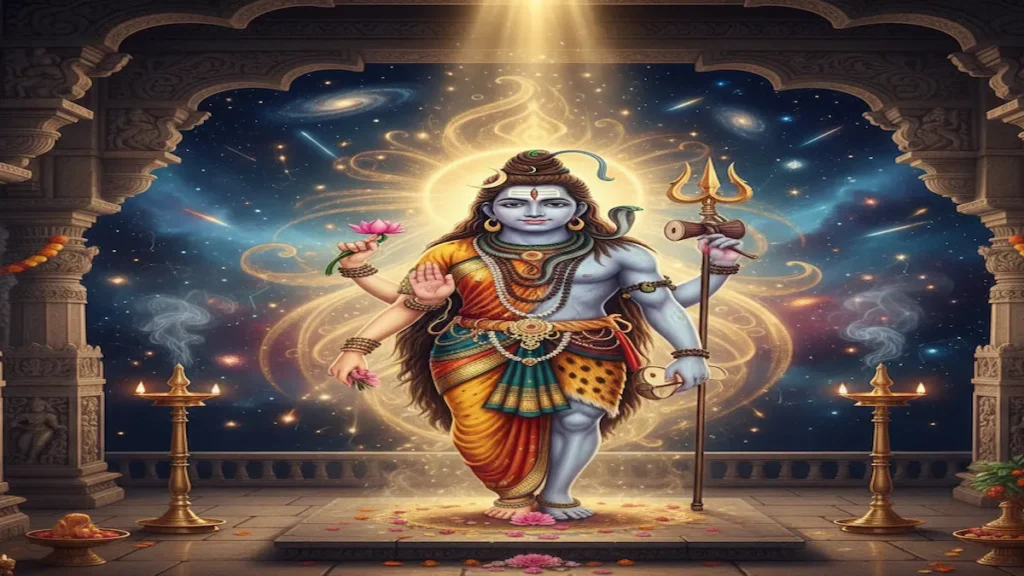
Shivratri represents the stillness of the universe where divine consciousness becomes most accessible to human awareness. This holy night is believed to carry powerful spiritual energy that helps remove ignorance, fear, and negativity from the mind.
Lord Shiva symbolizes transformation, detachment, and ultimate truth. Devotees who observe Shivratri with faith experience mental purity, emotional balance, and spiritual strength. The silence of the night encourages meditation and deep connection with the eternal self.
Importance of Shivratri Vrat Katha
Listening to Shivratri Vrat Katha is an essential part of the observance. The sacred narration preserves ancient wisdom about devotion, forgiveness, and divine grace. It reminds devotees that Lord Shiva responds to sincerity rather than external status or ritual perfection.
Families and communities gather to hear this holy story, strengthening cultural roots and spiritual understanding. The katha inspires humility, righteous living, and trust in divine compassion.
Traditional Divine Story of Shivratri
Ancient scriptures describe a hunter who unknowingly performed true worship on the night of Shivratri. Searching for safety in a forest, he climbed a tree and stayed awake the entire night. While waiting, he kept dropping leaves toward the ground without realizing that a Shivling was present below, and the leaves were sacred bilva leaves offered to Lord Shiva.
Because the hunter remained awake, fasted unintentionally, and offered bilva leaves with innocence, Lord Shiva became pleased. At dawn, the Lord granted him freedom from past sins and blessed him with spiritual liberation.
This story teaches that pure feeling is more powerful than formal ritual. Even unconscious devotion can reach the divine heart.
Hidden Spiritual Symbolism
The hunter represents the human soul struggling in worldly life.
The dark forest reflects ignorance and uncertainty.
The night vigil symbolizes awakening of awareness.
The falling bilva leaves signify natural devotion hidden within the heart.
Lord Shiva’s blessing shows that transformation begins with sincerity, not perfection.
Method of Observing Shivratri Fast
Devotees begin the day with purification through bathing and prayer. Homes and temples are cleaned to create a sacred environment. Many people observe fasting with fruits, milk, or water, while some follow complete abstinence.
Chanting Om Namah Shivaya, meditation, and offering bilva leaves, milk, honey, and water to the Shivling form the core of the worship. The fast is practiced with discipline, calmness, and spiritual focus.
Night Worship and Ritual Practices
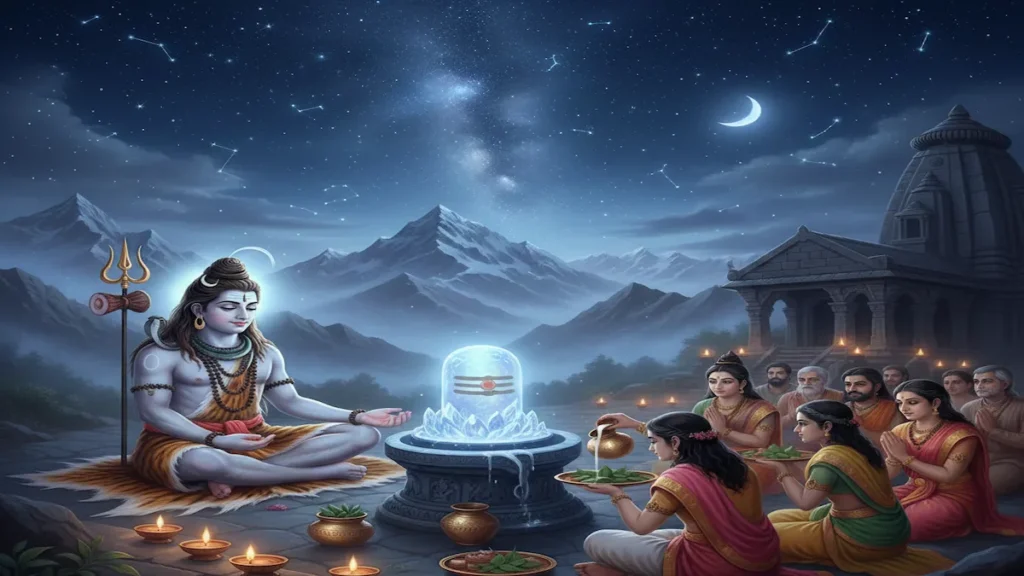
The holy night is divided into four prahar, and special worship is performed during each phase. Devotees conduct abhishek, sing devotional hymns, light lamps, and remain awake in remembrance of Lord Shiva.
Midnight worship is considered especially sacred, symbolizing the victory of light over darkness and consciousness over ignorance. The atmosphere in temples becomes deeply peaceful and spiritually uplifting.
Spiritual Benefits of the Vrat Katha
Listening to the vrat katha with faith purifies thoughts and removes negative influences. It strengthens devotion and inspires a life guided by truth and compassion.
Devotees believe sincere observance of Shivratri brings peace, protection from suffering, fulfillment of pure wishes, and gradual progress toward liberation. The greatest blessing, however, is inner awakening.
Celebrations Across India
Shivratri is celebrated with deep devotion throughout India. Major pilgrimage cities witness continuous chanting, temple decorations, and large gatherings of devotees. Spiritual programs, charity, and community prayers create an atmosphere of unity and faith.
Despite regional differences, the essence of surrender to Lord Shiva remains the same everywhere.
Inner Teaching of Lord Shiva
The message of Shivratri Vrat Katha is simple yet profound. Lord Shiva accepts every devotee with compassion, regardless of past mistakes. True devotion lies in purity of heart, silence of mind, and surrender of ego.
Through remembrance of Shiva, a seeker discovers peace within and moves closer to eternal truth.
Final Thoughts
Maha Shivratri is a sacred doorway to spiritual transformation. The timeless Shivratri Vrat Katha reminds humanity that divine grace flows toward every sincere soul. Even the smallest act of devotion can change the direction of life when touched by Lord Shiva’s compassion.
Observing this holy night with faith, discipline, and inner reflection purifies the heart and strengthens the journey toward liberation. In the silence of Shivratri, devotees experience peace beyond words and blessings beyond time.
FAQ
Sacred date of Shivratri in 2026
Maha Shivratri will be observed on Sunday, 15 February 2026, with night-long worship continuing into the next day according to lunar timing.
Meaning of fasting and night vigil
Fasting represents self-control, and staying awake symbolizes spiritual awareness.
Importance of Shivratri Vrat Katha
The sacred narration inspires devotion, removes negativity, and brings divine grace.
Spiritual result of sincere worship
True observance leads to peace, purification, and gradual liberation.
Category: Shivratri Vrat Katha | Lord Shiva | Hindu Festivals