Author: BhaktiParv.com
Bhagavad Gita Teachings: Timeless Wisdom for Modern Life
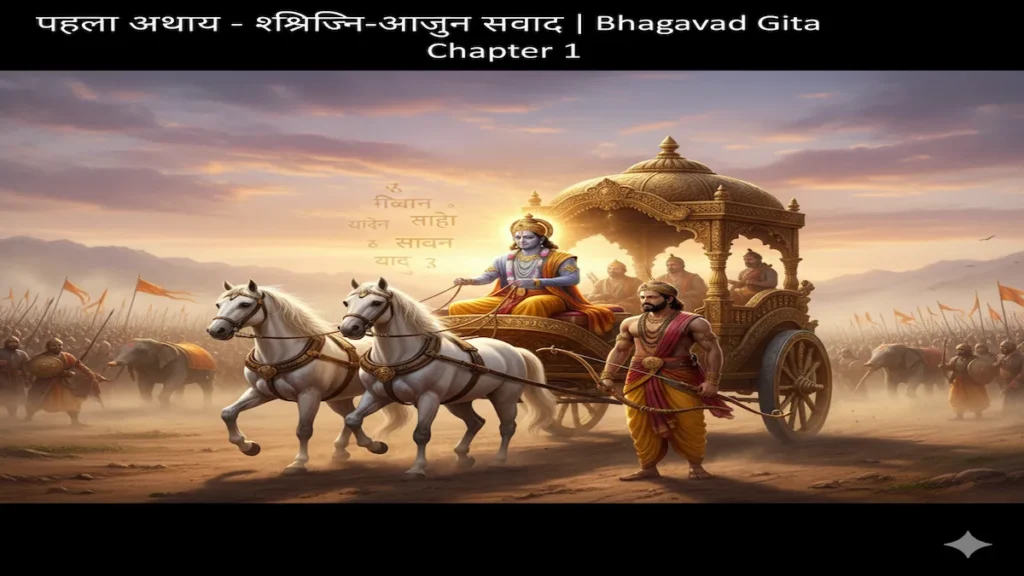
Bhagavad Gita teachings continue to inspire millions of people across the world with their timeless wisdom and spiritual depth. Spoken by Lord Krishna to Arjuna on the battlefield of Kurukshetra, the Bhagavad Gita is not just a religious scripture but a complete guide for life. Its teachings help individuals overcome confusion, fear, stress, and attachment while encouraging righteous action and inner balance.
In today’s fast-moving and competitive world, Bhagavad Gita teachings provide clarity, confidence, and direction. Whether you are a student, professional, leader, or homemaker, the wisdom of the Gita can help you live a meaningful and disciplined life.
Table of Contents
- Introduction to Bhagavad Gita Teachings
- Historical Background of the Bhagavad Gita
- The Core Philosophy of the Gita
- Dharma and Responsibility in Daily Life
- Karma Yoga and the Power of Selfless Action
- Jnana Yoga and Self-Realization
- Bhakti Yoga and Devotion
- Emotional Balance and Detachment
- Leadership Lessons from Lord Krishna
- Relevance of Bhagavad Gita Teachings in Modern Life
- Practical Ways to Apply the Teachings
- Final Thoughts
- FAQ Section
Introduction to Bhagavad Gita Teachings
Bhagavad Gita teachings are centered around righteous action, self-knowledge, devotion, and mental discipline. The Gita teaches that life is a battlefield where individuals constantly face moral dilemmas and emotional conflicts. Through divine guidance, Krishna helps Arjuna understand his true duty and purpose.
The message is clear: perform your duty sincerely without being attached to results. This powerful philosophy forms the foundation of Bhagavad Gita teachings and remains relevant even in modern society.
Historical Background of the Bhagavad Gita
The Bhagavad Gita is part of the ancient Indian epic Mahabharata. It contains 700 verses presented as a sacred dialogue between Lord Krishna and Arjuna before the great war of Kurukshetra.
Arjuna becomes emotionally disturbed at the thought of fighting his relatives and teachers. In response, Krishna explains the deeper truths of life, death, duty, and the eternal soul. These conversations later became known as Bhagavad Gita teachings.
The battlefield represents the inner struggle between right and wrong within every human being.
The Core Philosophy of the Gita
The central message of Bhagavad Gita teachings is balance. Balance between action and wisdom, devotion and discipline, ambition and detachment.
Krishna explains that the soul is eternal and cannot be destroyed. The body may perish, but the soul remains immortal. This realization removes fear and encourages courage.
The Gita emphasizes:
- Perform your duty without fear
- Do not be attached to outcomes
- Maintain emotional stability
- Seek self-knowledge
- Develop devotion and surrender
These principles form the backbone of Bhagavad Gita teachings.
Dharma and Responsibility in Daily Life
Dharma means duty, righteousness, and moral responsibility. According to Bhagavad Gita teachings, every individual has a unique role in society.
Fulfilling one’s dharma brings harmony and inner peace. Ignoring it leads to confusion and dissatisfaction.
Dharma includes:
- Honesty in professional work
- Respect for elders and family
- Compassion toward others
- Dedication to personal growth
By following dharma, individuals align their actions with higher values.
Karma Yoga and the Power of Selfless Action
Karma Yoga is one of the most practical aspects of Bhagavad Gita teachings. It focuses on action without attachment to results.
Krishna advises Arjuna to act with dedication but surrender the fruits of action to the divine. This approach reduces stress and anxiety.
Benefits of Karma Yoga:
- Increased focus and productivity
- Reduced fear of failure
- Greater emotional stability
- Development of discipline
When action becomes worship, life gains deeper meaning.
Jnana Yoga and Self-Realization
Jnana Yoga represents the path of knowledge and wisdom. Bhagavad Gita teachings explain that true knowledge is understanding the difference between the body and the soul.
The body is temporary, but the soul is eternal. Realizing this truth frees individuals from excessive attachment and fear.
Self-reflection, meditation, and study help cultivate wisdom. Through Jnana Yoga, individuals develop clarity and stronger decision-making abilities.
Bhakti Yoga and Devotion
Bhakti Yoga emphasizes love and devotion toward the divine. Among all Bhagavad Gita teachings, devotion is presented as a simple and powerful path.
Devotion requires sincerity and faith rather than complex rituals. Offering daily actions to God purifies the heart and reduces ego.
Through devotion:
- Anxiety decreases
- Gratitude increases
- Emotional strength improves
Bhakti Yoga transforms ordinary life into a spiritual journey.
Emotional Balance and Detachment
One of the most important Bhagavad Gita teachings is emotional balance. Krishna explains that attachment leads to desire, anger, and frustration.
Detachment does not mean avoiding responsibilities. It means staying calm in both success and failure.
Emotional balance helps individuals:
- Handle criticism wisely
- Accept loss gracefully
- Remain stable during uncertainty
In a world filled with competition and expectations, this teaching is extremely valuable.
Leadership Lessons from Lord Krishna
Bhagavad Gita teachings offer powerful lessons in leadership. Krishna acts as a mentor and guide, not as a dictator.
He provides wisdom but allows Arjuna to make his own decision. This demonstrates respect, patience, and strategic thinking.
Key leadership principles from the Gita:
- Lead by example
- Stay calm during crisis
- Make decisions based on dharma
- Avoid selfish motives
These lessons are relevant for corporate leaders, teachers, and community heads.
Relevance of Bhagavad Gita Teachings in Modern Life
Modern life often brings stress, anxiety, and confusion. Bhagavad Gita teachings offer practical solutions to these problems.
Students can learn focus and discipline. Professionals can reduce stress by practicing detachment. Families can strengthen relationships through compassion and responsibility.
The Gita teaches that true success is not measured by wealth or fame but by inner peace and self-mastery.
Its universal message makes Bhagavad Gita teachings relevant across cultures and generations.
Practical Ways to Apply the Teachings
Applying Bhagavad Gita teachings does not require major lifestyle changes. Simple habits can create powerful transformation.
Practical steps include:
- Reading a few verses daily
- Practicing mindful action
- Accepting results calmly
- Developing gratitude
- Meditating regularly
Consistency is more important than intensity. Small daily efforts create long-term spiritual growth.
Final Thoughts
Bhagavad Gita teachings provide timeless wisdom for navigating life’s challenges with courage and clarity. They encourage individuals to fulfill their responsibilities while maintaining spiritual awareness.
The message of the Gita is simple yet profound: act sincerely, remain detached, seek knowledge, and cultivate devotion.
In a world full of distractions and uncertainty, these teachings serve as a guiding light. By embracing the principles of the Gita, individuals can achieve both external success and inner peace.
FAQ
The central theme of Bhagavad Gita teachings
The main theme is performing one’s duty with dedication while remaining detached from outcomes and rooted in spiritual wisdom.
The meaning of Karma Yoga
Karma Yoga is the practice of selfless action without attachment to the results of those actions.
The importance of devotion in the Gita
Devotion strengthens faith, emotional balance, and inner peace.
The relevance of Bhagavad Gita teachings today
The teachings provide solutions for stress, ethical dilemmas, leadership challenges, and personal growth in modern society.
Category: Bhagavad Gita | Lord Krishna | Hindu Scripture