


Author: BhaktiParv.com
Introduction
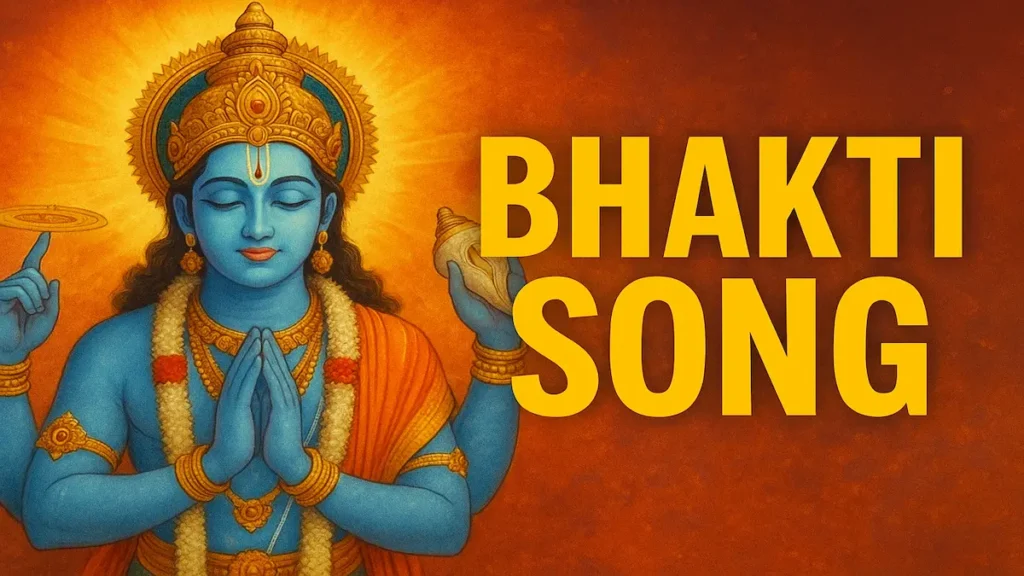
In Indian culture, Bhakti songs hold a divine power to connect the human soul with the Supreme. These songs are not just melodies but expressions of faith, devotion, and surrender. From ancient temples to modern YouTube channels, Bhakti songs continue to inspire millions with their purity and spiritual essence.
Whether it’s the powerful chants of Hanuman Chalisa, the soothing rhythm of Shiv Bhajans, or the divine energy of Durga Aarti, Bhakti music reminds us of the eternal relationship between the devotee and the Divine.
In this post, we’ll explore the meaning, history, significance, and famous Bhakti songs that have shaped the spiritual rhythm of India.
What Is a Bhakti Song?
A Bhakti song is a devotional composition that expresses love and faith towards God or a deity. These songs are usually written in regional languages like Hindi, Tamil, Bengali, Marathi, or Telugu, and are sung during pujas, festivals, and spiritual gatherings.
They are often based on the Bhakti Movement, which emphasized love, equality, and devotion as the purest path to attain God. Saints like Tulsidas, Kabir, Mirabai, and Surdas played a major role in popularizing Bhakti songs in India.
Origin and History of Bhakti Songs
The Bhakti movement started in South India between the 7th and 12th centuries and later spread to the North. During this time, many saints used music as a medium to spread divine knowledge among common people.
They composed songs that were simple, emotional, and filled with spiritual wisdom. These songs could be sung by anyone—rich or poor, educated or uneducated—making spirituality accessible to all.
Over centuries, these songs evolved into Bhajans, Kirtans, and Aartis, which became an integral part of Hindu worship traditions.
Types of Bhakti Songs
Bhakti songs are diverse and vary according to the deity, region, and tradition. Some of the most popular types include:
1. Bhajan
Short and simple devotional songs sung in temples or at home. Example: Raghupati Raghav Raja Ram, Shri Ram Jai Ram Jai Jai Ram.
2. Kirtan
Group singing of holy names, often accompanied by instruments like harmonium and tabla. Example: Hare Krishna Hare Rama Kirtan.
3. Aarti
Songs sung while offering light to the deity during worship. Example: Om Jai Jagdish Hare, Jai Ambe Gauri Aarti.
4. Chalisa
Forty-verse hymns dedicated to deities. Example: Hanuman Chalisa, Shiv Chalisa, Ganesh Chalisa.
5. Mantra Chanting
Repetitive chanting of sacred mantras like Om Namah Shivaya, Hare Krishna Mahamantra, Gayatri Mantra.
Importance of Bhakti Songs in Hinduism
- Spiritual Connection: Bhakti songs help devotees connect deeply with divine energy.
- Mental Peace: Singing or listening to Bhakti music calms the mind and reduces stress.
- Positive Vibrations: The sound of mantras and divine names creates a positive atmosphere.
- Cultural Heritage: These songs preserve ancient traditions and teachings.
- Collective Devotion: Bhajans and Kirtans unite communities through shared faith.
Popular Bhakti Songs in India
Here are some of the most loved and timeless Bhakti songs sung across India:
1. Hanuman Chalisa

Written by Tulsidas, this powerful hymn is chanted to seek courage and strength from Lord Hanuman.
2. Om Jai Jagdish Hare

The universal Aarti sung in almost every Hindu household during evening prayers.
3. Mere Mann Mein Ram
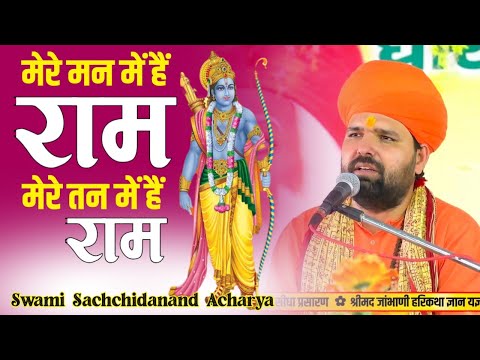
A melodious devotional song praising Lord Rama’s virtues and divine presence.
4. Achyutam Keshavam

A Krishna Bhakti song symbolizing unconditional love and devotion.
5. Shiv Tandav Stotram

A powerful hymn composed by Ravana, glorifying Lord Shiva’s cosmic dance of creation and destruction.
6. Jai Ambe Gauri

Dedicated to Goddess Durga, sung widely during Navratri and Durga Puja celebrations.
7. Raghupati Raghav Raja Ram

A devotional bhajan symbolizing peace and righteousness, also sung during India’s freedom movement.
Modern Bhakti Songs & Digital Devotion
In today’s digital world, Bhakti songs have found a new home online. Platforms like YouTube, Spotify, and Gaana are filled with devotional playlists that reach global audiences.
Artists like Anuradha Paudwal, Hari Om Sharan, Suresh Wadkar, Kailash Kher, and Shreya Ghoshal have brought Bhakti music to new heights with their soulful voices.
From temple speakers to smartphones, the vibration of Bhakti songs continues to resonate in every heart.
The Spiritual Power of Bhakti Music
When a Bhakti song is sung with true devotion, it becomes a form of meditation. The repetition of divine names helps the mind stay focused and the soul feel blissful.
Each word carries energy; each note carries emotion. This is why devotees often experience tears, joy, and peace while singing or listening to Bhakti songs. It is the music of surrender—the song of the soul to the Supreme.
Bhakti Songs in Festivals and Rituals
Every Hindu festival has its own set of Bhakti songs that enhance the spiritual experience:
- Navratri: Jai Ambe Gauri, Durga Chalisa
- Diwali: Om Jai Lakshmi Mata, Aarti Kunj Bihari Ki
- Mahashivratri: Shiv Tandav Stotram, Om Namah Shivaya Bhajan
- Janmashtami: Achyutam Keshavam, Govind Bolo Hari Gopal Bolo
- Chhath Puja: Kaanch Hi Bans Ke Bahangiya, Uga Hai Suruj Dev
These songs fill the air with devotion, reminding us that festivals are not just about rituals but also about soulful connection with God.
Instruments Used in Bhakti Songs
- Harmonium: Provides the melody base.
- Tabla & Dholak: Maintain rhythm and tempo.
- Manjira & Kartal: Add divine chime sounds.
- Flute: Symbol of Krishna’s love.
- Conch (Shankh): Represents purity and victory of good over evil.
Each instrument enhances the emotional and spiritual power of Bhakti songs.
How Bhakti Songs Influence Daily Life
Listening to Bhakti songs in the morning sets a peaceful tone for the day. During stressful moments, chanting divine names helps regain calmness.
Even science acknowledges that devotional music improves focus, emotional balance, and heart health.
That’s why many people play Bhakti songs while meditating, working, or driving—to keep positive energy around them.
How to Create a Personal Bhakti Playlist
- Choose your favorite deity (like Shiva, Hanuman, Durga, or Krishna).
- Include songs that inspire you emotionally and spiritually.
- Add both traditional and modern Bhakti tracks.
- Listen regularly—especially during sunrise or sunset.
- Sing along with devotion; your voice becomes your prayer.
FAQs – Bhakti Songs
Q1. What is the meaning of Bhakti Song?
A. Bhakti Song means a devotional song sung to praise and worship God with love and surrender.
Q2. Which are the most popular Bhakti songs in India?
A. Hanuman Chalisa, Om Jai Jagdish Hare, Shiv Tandav Stotram, and Achyutam Keshavam are some of the most famous Bhakti songs.
Q3. Who are famous singers of Bhakti music?
A. Anuradha Paudwal, Hari Om Sharan, Suresh Wadkar, and Shankar Mahadevan are well-known Bhakti song artists.
Q4. Can Bhakti songs be listened to daily?
A. Yes, Bhakti songs can be played daily for peace, positivity, and spiritual energy.
Q5. Are Bhakti songs only in Hindi?
A. No, Bhakti songs are sung in many Indian languages including Tamil, Telugu, Bengali, Marathi, and Gujarati.
Category: Bhakti Songs | Devotional Music | Hindu Spirituality