Author: BhaktiParv.com
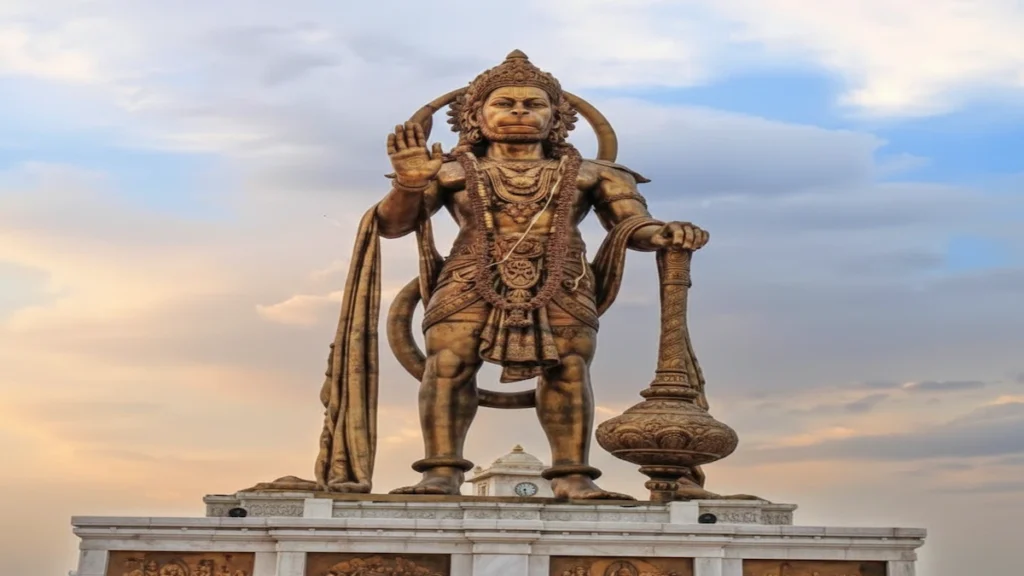
Salangpur Hanuman Temple, also known as Kashtbhanjan Hanuman Mandir, stands among Gujarat’s most powerful and revered devotional centers dedicated to Lord Hanuman. Situated in the tranquil village of Salangpur in Botad district, the temple attracts millions of devotees seeking strength, spiritual protection and relief from life’s hardships. The temple is especially renowned for its sacred association with the Kashtbhanjan form of Hanuman, who is believed to remove obstacles, dispel fear and destroy negative influences.
Every year, devotees from Gujarat and across India visit Salangpur to participate in aartis, rituals, oil offerings, Saturday darshan and spiritual ceremonies. The temple remains a living symbol of discipline, courage, devotional service, and community faith, making Salangpur one of the most important Hanuman pilgrimage destinations in western India.
Table of Contents
Introduction to Salangpur Hanuman Temple
Location and Spiritual Identity
Historical Background and Temple Formation
Kashtbhanjan Hanuman and Devotional Significance
Association with Swaminarayan Sampradaya
Architecture, Sanctum and Temple Complex
Daily Rituals, Aarti and Spiritual Offerings
Saturday Darshan and Healing Traditions
Devotee Experiences and Faith Narratives
Temple Timings, Management and Darshan Etiquette
Festivals, Annakut and Special Celebrations
Travel Guide and Pilgrim Information
Route Connectivity and Transportation
Accommodation and Pilgrim Support Facilities
Food, Prasad and Devotee Services
Best Time to Visit Salangpur Hanuman Temple
Tips for Devotees and First-Time Visitors
Salangpur Temple in Cultural and Community Heritage
Final Thoughts
FAQ Section
Introduction to Salangpur Hanuman Temple
Salangpur Hanuman Temple is dedicated to the Kashtbhanjan form of Lord Hanuman, revered for granting spiritual strength, clarity and protection. The temple’s peaceful environment, devotional chants, incense fragrance and organized darshan system collectively shape a spiritually uplifting experience for devotees.
The temple has gained immense recognition over the past century, transforming into one of Gujarat’s most visited Hanuman shrines.
Location and Spiritual Identity
Located in Salangpur village in Botad district, the temple lies within a serene landscape filled with cultural harmony and agricultural surroundings. The quiet rural environment enhances the devotional essence, making the pilgrimage spiritually soothing.
Salangpur is widely recognized not only as a temple destination but also as a center of disciplined devotional activity and spiritual upliftment.
Historical Background and Temple Formation
The origins of the temple are closely linked to the Swaminarayan tradition. The idol of Kashtbhanjan Hanuman was consecrated during the early 20th century under the guidance of respected saints who recognized the temple as a place of divine intervention and healing.
Stories of miracles, transformations and emotional strengthening experienced by devotees gradually elevated the temple’s reputation.
Kashtbhanjan Hanuman and Devotional Significance
The term Kashtbhanjan means “destroyer of hardships.” Hanuman in this form symbolizes fearless strength, protection and spiritual clarity. Devotees believe that darshan at Salangpur alleviates internal fear, negativity, anxiety, indecision and emotional burdens.
Many pilgrims arrive seeking peace before major life decisions, career paths, health challenges or family responsibilities.
Association with Swaminarayan Sampradaya
Salangpur Hanuman Temple is spiritually and administratively connected to the Swaminarayan Sampradaya. Saints and devotees from the tradition provide guidance, maintain discipline and ensure purity of rituals.
This association has played a crucial role in shaping the temple’s organized system of darshan, seva, festivals and community outreach programs.
Architecture, Sanctum and Temple Complex
The architecture reflects a combination of traditional Hindu aesthetics and modern temple planning. The sanctum houses the powerful idol of Kashtbhanjan Hanuman carved with expressive strength and divine energy.
The temple complex includes courtyards, mandapas, prasad counters, service halls, sitting areas and pathways designed to accommodate large congregations during Saturdays and festive occasions.
Daily Rituals, Aarti and Spiritual Offerings
Daily rituals at Salangpur include Mangala Aarti, Shangar Darshan, Rajbhog, Sandhya Aarti and Shayan Darshan. Offerings of coconuts, oil, flowers and prasad form part of traditional seva.
Chants of Hanuman Chalisa, Sankat Mochan Stotra and bhajans resonate throughout the complex, surrounding devotees in a devotional atmosphere.
Saturday Darshan and Healing Traditions
Saturday holds the highest devotional significance at Salangpur. Thousands of devotees visit to perform oil offerings and seek relief from physical, emotional and spiritual obstacles.
The spiritual intensity of Saturdays has made the temple a beacon for those facing internal fears or negative influences.
Devotee Experiences and Faith Narratives
Generations of devotees share stories of emotional relief, restored confidence, mental clarity and improved resilience after visiting Salangpur. These experiences form a crucial part of the temple’s living devotional heritage.
Faith narratives, personal vows and recurring pilgrimages sustain the temple’s spiritual importance across communities.
Temple Timings, Management and Darshan Etiquette
The temple maintains an organized darshan system overseen by volunteers and administrators. Cleanliness, silence and discipline are encouraged inside the temple premises.
Photography restrictions apply in devotional zones to preserve focus and sanctity.
Festivals, Annakut and Special Celebrations
Festivals celebrated at Salangpur include Hanuman Jayanti, Ram Navami, Diwali, Janmashtami and Annakut. During Annakut, hundreds of food items are symbolically offered to the deity as gratitude for divine blessings.
Festivals witness large gatherings accompanied by devotional music, discourse and aarti.
Travel Guide and Pilgrim Information
Salangpur Hanuman Temple remains open throughout the year and welcomes pilgrims across seasons. The temple is suitable for family visits, group pilgrimages, cultural tourism and devotional travel.
Route Connectivity and Transportation
- By Road: Well connected to Ahmedabad, Rajkot, Bhavnagar, Vadodara and major Gujarat cities.
- By Rail: Nearest rail connectivity is accessible through Botad and Ahmedabad.
- By Air: Ahmedabad and Bhavnagar airports support interstate and domestic travel.
Road travel remains the preferred mode for most devotees.
Accommodation and Pilgrim Support Facilities
Nearby dharamshalas, lodges, guest houses and hotels serve pilgrims. With rising footfall, accommodation options continue expanding. Advance booking is recommended during festival days and weekends.
Food, Prasad and Devotee Services
Sweet shops, prasad counters and vegetarian eateries serve snacks and meals suitable for families and senior citizens. Parking, water points, seating areas and volunteer support enhance convenience.
Best Time to Visit Salangpur Hanuman Temple
The temple can be visited anytime, though weekends and Saturdays witness peak attendance. Festivals and devotional months bring lively spiritual energy to the temple.
Tips for Devotees and First-Time Visitors
Wear comfortable clothing
Plan arrival time for better darshan flow
Carry water during summer travel
Respect temple rules and customs
Prefer early mornings for peaceful darshan
Salangpur Temple in Cultural and Community Heritage
Salangpur Hanuman Temple has become a major center of devotional identity in Gujarat. The temple nurtures cultural preservation, devotional storytelling, community seva and spiritual education.
For many families, yearly visits to Salangpur form a cherished devotional tradition.
Final Thoughts
Salangpur Hanuman Temple stands as a radiant symbol of faith, strength and spiritual protection. The Kashtbhanjan form of Hanuman, the discipline of temple rituals and the collective devotion of pilgrims create a transformative pilgrimage experience. Devotees return with blessings, clarity, renewed courage and a sense of inner stability. For Gujarat and for countless devotees across India, Salangpur remains a powerful sanctuary of divine refuge and unwavering faith.
FAQ Section
Salangpur Temple spiritual significance
The temple is revered for the Kashtbhanjan form of Hanuman who removes distress and obstacles.
Importance of Saturdays at Salangpur
Saturday darshan attracts large gatherings seeking healing and protection.
Darshan and travel convenience
Pilgrims may visit year-round with road connectivity supporting easy travel.
Best time to visit
Weekdays for peaceful darshan; festivals and Saturdays for vibrant devotional atmosphere.
Category: Hanuman Temples | Pilgrimage Sites | Gujarat Spiritual Heritage

Krishna Janmashtami 2026 ISKCON: Date, Celebrations, Timings & Complete Guide
Introduction Every year, millions of devotees across India and around the world look forward to one of the most joyous occasions in the Hindu calendar — the birth anniversary of Lord Krishna. Among the many places where this festival comes alive with colour, music, and devotion, ISKCON temples hold a special place for devotees seeking…
When is Ganesh Chaturthi in 2026? Date, Puja Muhurat, Visarjan Date and Complete Guide
Ganesh Chaturthi 2026 सोमवार, 14 सितंबर 2026 को मनाई जाएगी। यह दिन भाद्रपद माह की शुक्ल पक्ष चतुर्थी तिथि पर पड़ता है, जब देशभर में घर-घर और पंडालों में बप्पा की स्थापना होती है। अगर आप हर साल बदलती तारीख को लेकर कन्फ्यूज रहते हैं, तो वजह सीधी है — Ganesh Chaturthi हिंदू पंचांग यानी…
Raksha Bandhan 2026: Auspicious Date, Rakhi Muhurat, Puja Vidhi, Bhadra Time and Significance
Author: BhaktiParv.com Introduction Raksha Bandhan 2026 is a special Hindu festival that celebrates the love, trust and lifelong bond shared between brothers and sisters. In 2026, the festival will be observed on Friday, 28 August 2026. Raksha Bandhan 2026 is a cherished Hindu festival that celebrates the affection, trust and lifelong connection shared between siblings.…