


Author: BhaktiParv.com
Makar Sankranti is one of the most celebrated Hindu festivals across India, marking the transition of the Sun into the zodiac sign Capricorn (Makara). This auspicious shift symbolizes the beginning of longer, warmer days and is closely associated with harvest, prosperity, and gratitude. The festival holds deep cultural, spiritual, and agricultural relevance, making it one of the most widely celebrated occasions across different regions.
In this comprehensive post, we will explore Makar Sankranti information in detail – covering its spiritual significance, regional traditions, rituals, foods, scientific importance, and how people celebrate this festival with joy and devotion.
What Is Makar Sankranti?
Makar Sankranti is a solar festival that marks the Sun’s movement into Capricorn. Unlike most Hindu festivals based on the lunar calendar, Makar Sankranti follows the solar cycle, which is why its date remains almost the same each year, usually on January 14 (sometimes January 15). Because of this consistency, the festival holds a unique position in Hindu tradition.
Across India, Makar Sankranti information is associated with new beginnings, abundance, and auspicious activities. Many people believe that taking a holy dip in sacred rivers on this day washes away negativity and opens the path to spiritual growth.
Spiritual Significance of Makar Sankranti
The spiritual value of Makar Sankranti is immense. It marks the beginning of Uttarayana, the Sun’s northward journey, believed to be a sacred period according to ancient scriptures. Uttarayana is referred to as a time of divine awakening, bringing positive energy, spiritual clarity, and inner transformation.
The festival also symbolizes:
- Victory of light over darkness
- New hopes for prosperity and growth
- Gratitude for nature’s abundance
- Fresh beginnings and cleansing of old karmas
Many pilgrims visit holy sites such as Ganga Sagar, Prayagraj, Haridwar, and various sacred rivers to offer prayers and take holy dips.
Cultural Importance Across India
One of the most fascinating aspects of Makar Sankranti information is how the festival is celebrated differently across various regions. Although the essence remains the same—gratitude, harvest, and joy—each state adds unique traditions, foods, and rituals.
Makar Sankranti in North India
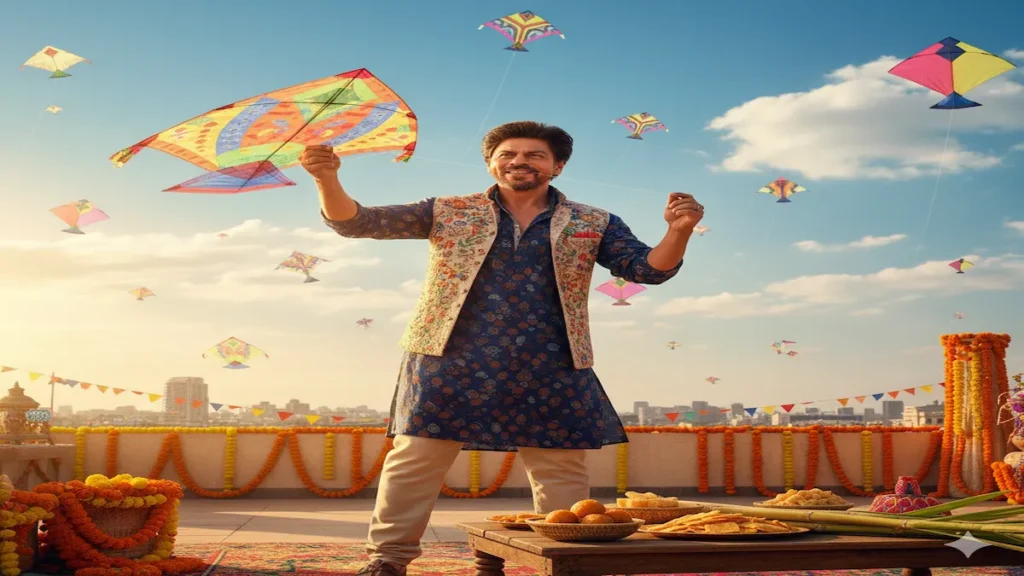
In states like Uttar Pradesh, Bihar, and Rajasthan, people prepare sweets made of sesame (til) and jaggery (gur), symbolizing warmth and togetherness. Kite flying is a major attraction, filling the skies with colors and excitement.
Pongal in Tamil Nadu
In the South, the festival is celebrated as Pongal, a four-day harvest festival. The highlight is cooking the dish “Pongal”—a mixture of rice, milk, and jaggery—offered to the Sun God.
Uttarayan in Gujarat
Gujarat turns into a celebration hub during Uttarayan, with massive kite festivals, music, feasts, and fireworks. The International Kite Festival attracts visitors from across the world.
Lohri in Punjab
Lohri marks the harvest of winter crops. People gather around bonfires, sing folk songs, and celebrate abundance.
Magh Bihu in Assam
Assam celebrates Magh Bihu with feasts, community bonfires, and traditional games, showcasing the state’s cultural richness.
Key Rituals of Makar Sankranti
Rituals play a central role in the festival. Some of the most important practices include:
1. Holy Bath (Snan)
Taking a dip in sacred rivers like Ganga, Yamuna, Godavari, and Kaveri is believed to purify the soul.
2. Offering Arghya to the Sun
Devotees offer water to the Sun God at sunrise, seeking blessings for prosperity and protection.
3. Charity and Donations
Giving food, clothes, and other essentials is considered highly auspicious. “Daan-Punya” is a core element of Makar Sankranti information.
4. Preparing Special Foods
Til-gud laddoos, khichdi, gajak, pongal, and other seasonal dishes are prepared to celebrate the harvest.
5. Kite Flying Symbolizing freedom and joy, kite flying is one of the most celebrated traditions during this festival.
Traditional Foods of Makar Sankranti
Food holds a special place during Makar Sankranti celebrations. Some key delicacies include:
- Til-Gur Laddoos (sweet sesame and jaggery balls)
- Gajak and Revdi
- Khichdi, especially in North India
- Sweet Pongal in Tamil Nadu
- Pitha in Assam
These foods provide warmth and energy during the winter season, making them both culturally symbolic and nutritionally beneficial.
Scientific Importance of Makar Sankranti
Makar Sankranti information is not limited to spiritual or cultural details; the festival also carries scientific relevance. The Sun begins its northward movement, resulting in:
- Longer days
- Increased sunlight
- A gradual shift towards warmer weather
- Positive effects on health and agricultural cycles
Ancient sages observed these natural changes and incorporated them into festivals to spread awareness and harmony with nature.
Celebrations and Festivities Across India
Kite Festivals
Major kite festivals in Gujarat, Rajasthan, and Maharashtra fill the skies with colorful kites of all shapes and sizes.
Dance and Music
Folk dances like Bhangra, Garba, and local traditional performances create a festive atmosphere.
Bonfires and Community Feasts
In states like Punjab and Assam, bonfires symbolize light, warmth, and unity.
Pooja and Rituals at Temples
Many temples host special prayers dedicated to Surya Dev.
Why Makar Sankranti Is Special
Makar Sankranti stands out among Hindu festivals because of its:
- Solar calendar alignment
- Cultural diversity
- Harvest symbolism
- Spiritual and scientific relevance
It is a festival that unites India in joy, gratitude, and positivity.
Final Thoughts
Final Thoughts
Makar Sankranti is more than a festival—it is a celebration of nature, gratitude, and new beginnings. Whether through kite flying, preparing traditional dishes, offering prayers, or spending time with loved ones, the festival enriches cultural values and brings people together. Understanding Makar Sankranti information helps us appreciate its deeper meaning and ongoing relevance in today’s world.
Category: Hindu Festivals | Makar Sankranti | Indian Culture
-
When is Ganesh Chaturthi in 2026? Date, Puja Muhurat, Visarjan Date and Complete Guide
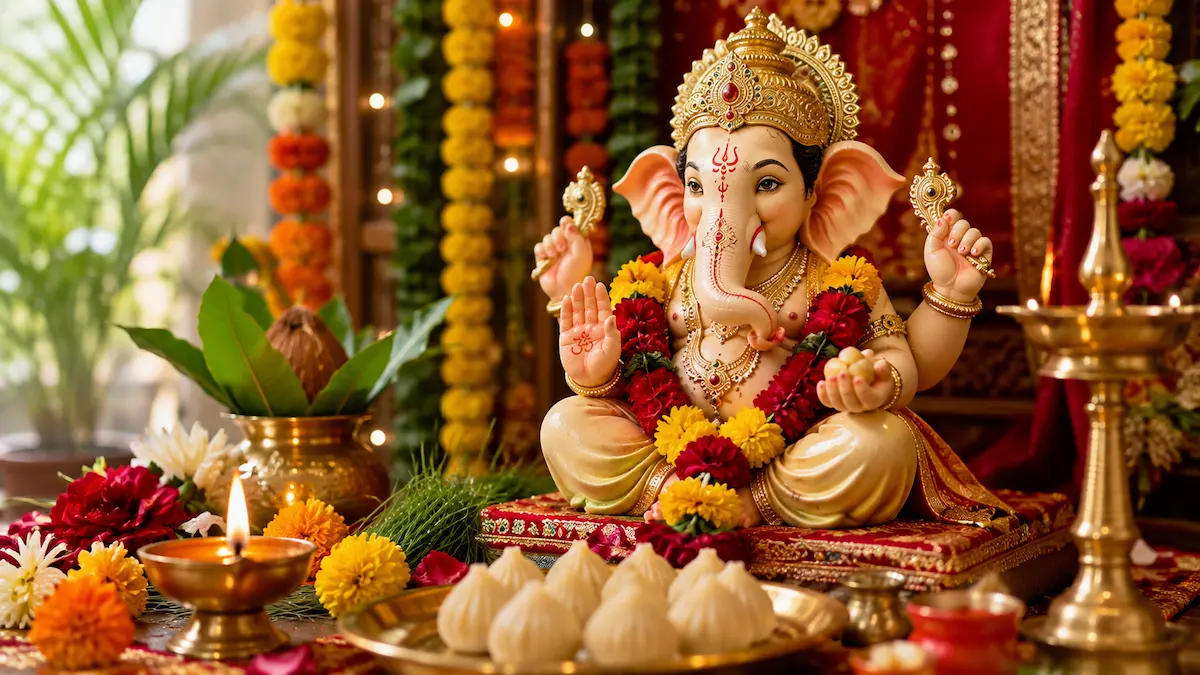
Ganesh Chaturthi 2026 सोमवार, 14 सितंबर 2026 को मनाई जाएगी। यह दिन भाद्रपद माह की शुक्ल पक्ष चतुर्थी तिथि पर पड़ता है, जब देशभर में घर-घर और पंडालों में बप्पा की स्थापना होती है। अगर आप हर साल बदलती तारीख को लेकर कन्फ्यूज रहते हैं, तो वजह सीधी है — Ganesh Chaturthi हिंदू पंचांग यानी…
-
Raksha Bandhan 2026: Auspicious Date, Rakhi Muhurat, Puja Vidhi, Bhadra Time and Significance
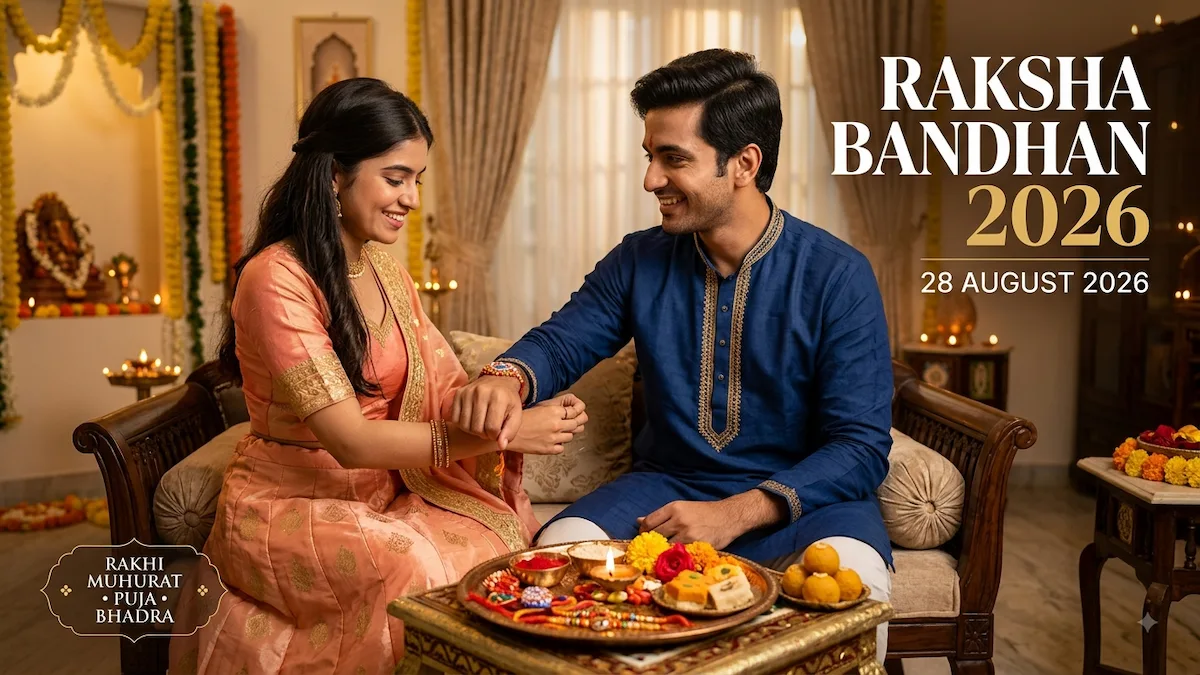
Author: BhaktiParv.com Introduction Raksha Bandhan 2026 is a special Hindu festival that celebrates the love, trust and lifelong bond shared between brothers and sisters. In 2026, the festival will be observed on Friday, 28 August 2026. Raksha Bandhan 2026 is a cherished Hindu festival that celebrates the affection, trust and lifelong connection shared between siblings.…
-
Kamika Ekadashi 2026: Date, Tithi, Vrat Vidhi, Puja Muhurat, Katha and Parana
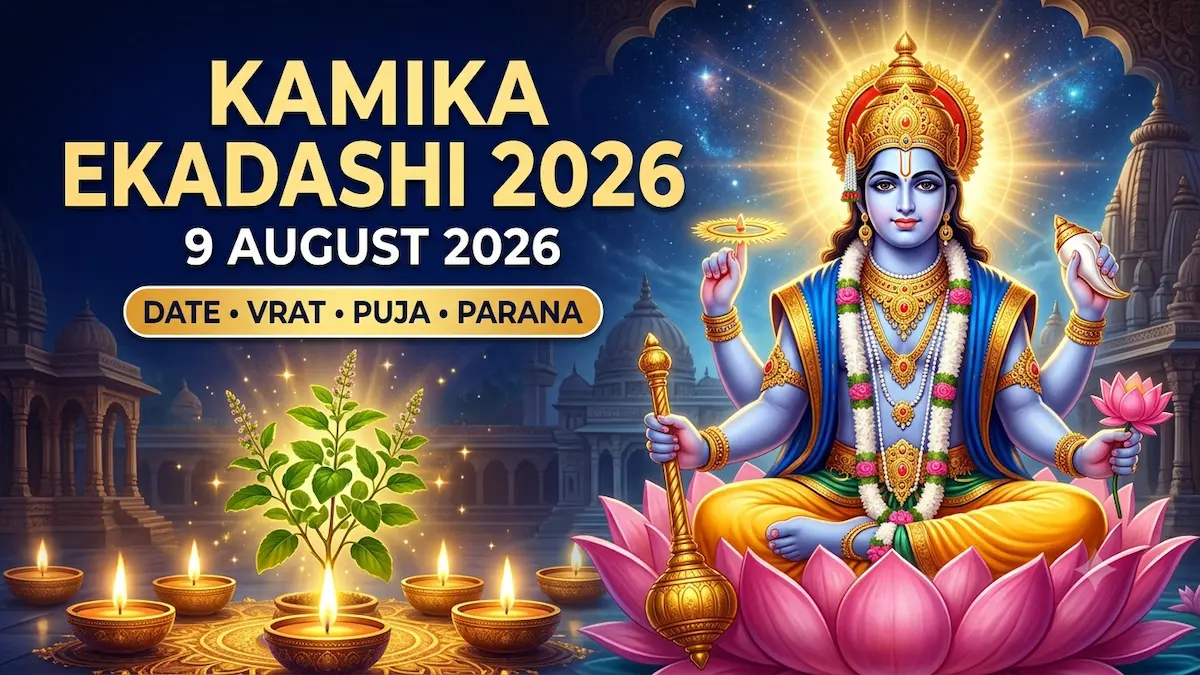
Author: BhaktiParv.com Introduction Kamika Ekadashi 2026 is an important spiritual observance for devotees who follow the worship of Lord Vishnu. In 2026, this Ekadashi will be observed on Sunday, 9 August 2026. The observance comes during the Krishna Paksha of the Shravan month. The occasion can be marked through simple worship, devotional reading, sacred chanting,…
